

Most of the US coastline has a real beach season measured in weeks, not months. A shorter list of towns — mostly in the Gulf and the southernmost Atlantic — actually stay swimmable, or close to it, for most of the year. That distinction matters if beach time is a regular habit rather than a once-a-summer trip.
South Padre Island, Texas

One of the mildest winters on the Gulf Coast keeps water temperatures usable far longer than most of the country, with a beach season that runs close to year-round for anyone comfortable in cooler winter water.
Boca Raton & Delray Beach, Florida

South Florida's climate keeps both air and water warm nearly every month, making this stretch of coast one of the most consistently usable beach regions in the continental US.
Galveston, Texas
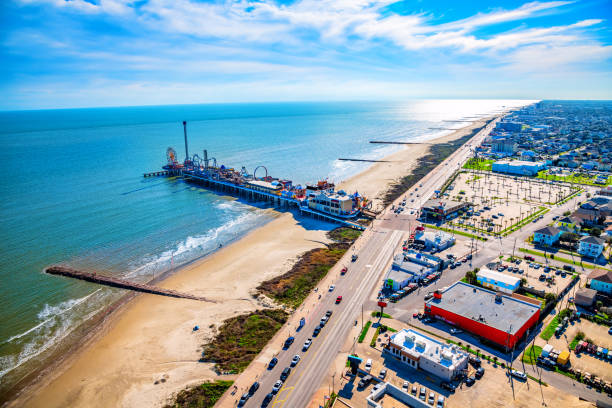
A shorter drive from a major metro area (Houston) than most warm-water beaches, with a season that extends well beyond the traditional Memorial Day–to–Labor Day window.
Naples & the Southwest Florida Coast
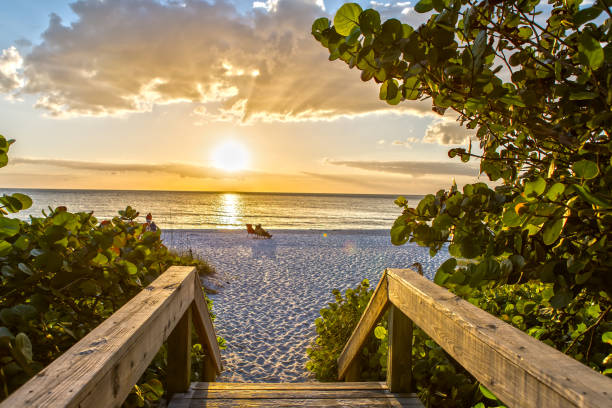
Gulf water temperatures here rarely drop enough to end the swimming season outright, and the calm, shallow surf holds up through the winter months better than most Atlantic beaches.
Off-Season Beach Notes
- Water temperature drops more than air temperature in winter — check both before planning a swim-focused trip
- Fewer crowds outside peak summer months, but also reduced lifeguard coverage at some beaches
- Hurricane season (June–November) affects Gulf and Southeast planning regardless of season length
- Winter beach light is different — often clearer, better for photos, less harsh midday glare
Final Thoughts

A long beach season changes the relationship people have with the coast — it stops being an annual event and starts being closer to a standing weekend option. The Gulf Coast and the southernmost tip of the Atlantic seaboard are where that shift is most realistic in the US.
Brought to you by e-KRT — the foldable electric beach cart built for soft sand.