
Tide pooling is entirely a low-tide activity — showing up at the wrong tide means an empty, disappointing walk.
Tide pooling works best on rocky coastlines, not sandy beaches — which is why the best spots skew toward the Pacific Northwest, Northern California, and rocky pockets of New England, rather than the flat sand beaches more common in the Southeast.
Point Reyes National Seashore, California

Rocky intertidal zones with a wide range of species visible at low tide, from sea stars to anemones to small crabs.
Olympic National Park, Washington
Home to some of the most biologically rich tide pools on the West Coast, particularly around Rialto Beach and Kalaloch.
Acadia National Park, Maine

New England's rocky coastline offers real tide pooling, a contrast to the sandy beaches more typical further south on the Atlantic coast.
Laguna Beach, California
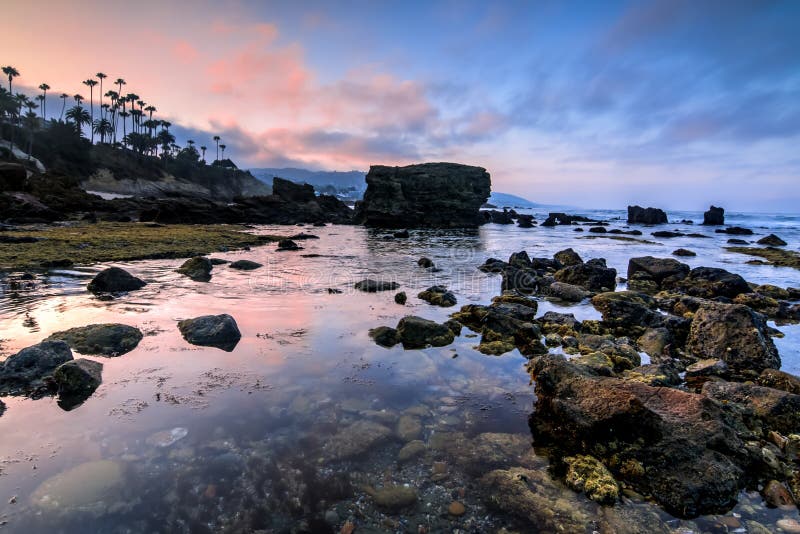
Several rocky coves along this stretch of Orange County coastline expose accessible tide pools at low tide, closer to a major metro area than most of the other spots on this list.
Tide Pooling Basics
- Always check a tide chart — the lowest tides ("minus tides") expose the most
- Wear shoes with real grip; wet rock is genuinely slippery
- Look, don’t touch or remove — tide pool organisms are easily damaged and many locations are protected
- Move slowly and step carefully; the animals living in tide pools are often well-camouflaged
Final Thoughts
Tide pooling rewards patience and a good tide chart more than any special gear — the right low tide at a rocky beach can turn up more visible marine life in twenty minutes than a full day at a sandy beach.
Why tide timing is everything here
Tide pools are only exposed during low tide — showing up at high tide means there's simply nothing to see. Checking a tide chart for the lowest tide of the day, ideally a lower low tide, is the single most important planning step for this activity.
Tide pooling etiquette
- Look, don't touch, when it comes to sensitive marine life — many tide pool creatures are easily disturbed
- Watch your footing on wet rocks, which can be more slippery than they look
- Keep an eye on the returning tide, so you're not caught out on exposed rocks as the water comes back in
Making the most of the trip once you're there

A little pre-trip research pays off once you're actually on the ground — checking current local conditions the morning of (weather, surf/tide reports, any posted advisories) takes a couple of minutes and often changes the plan for the better. Local visitor centers and beach patrol offices are usually the most reliable source for same-day conditions, more current than a general travel article can be for a specific date.
It's also worth building slack into the schedule rather than planning back-to-back activities — beach days have a way of running long once everyone's actually relaxed, and a rigid itinerary tends to create more stress than it saves.
How far in advance should I book for a popular beach trip?
For peak summer weekends, several weeks to a couple of months ahead is common for popular destinations — lodging and parking can fill up fast. Shoulder-season or weekday trips generally allow more last-minute flexibility.
What's the single most useful thing to check the day before?
The weather and tide forecast for the specific day — both affect what's actually possible to do, more than any other single factor.
Is travel insurance worth it for a beach trip?
For a significant non-refundable booking (lodging, flights), it's a reasonable hedge against weather cancellations or last-minute changes — a personal cost-benefit decision rather than a universal rule.
Brought to you by e-KRT — the foldable electric beach cart built for soft sand.