

The best birding beaches are often the ones humans have deliberately left alone.
Coastal areas are some of the most productive bird-watching locations in the country — beaches, tidal flats, and adjacent marshland sit along major migratory flyways, and shorebirds, wading birds, and seabirds are often visible without any special equipment.
Assateague Island, Maryland/Virginia
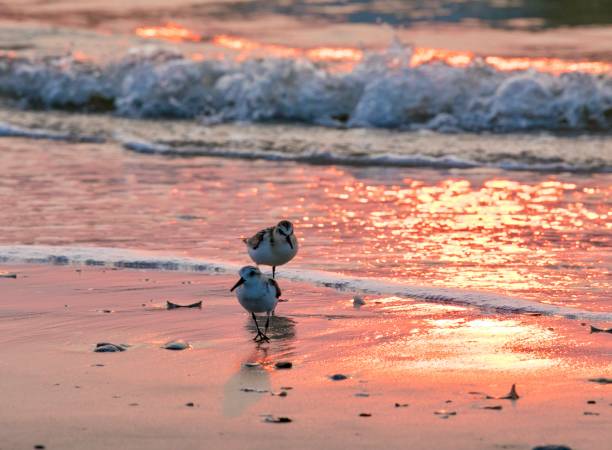
A National Seashore known for its wild horses, but also a major stop for shorebirds and waterfowl along the Atlantic Flyway.
Cape May, New Jersey

Widely recognized among birders as one of the most significant migratory stopover points on the East Coast, particularly for songbirds and raptors in fall.
Padre Island National Seashore, Texas
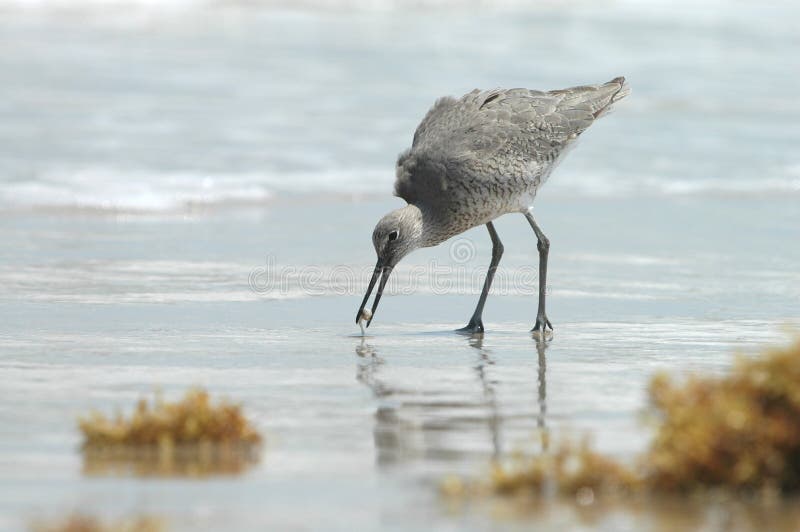
Sits along the Central Flyway, with tidal flats that attract large numbers of shorebirds, especially during spring and fall migration.
Point Reyes National Seashore, California
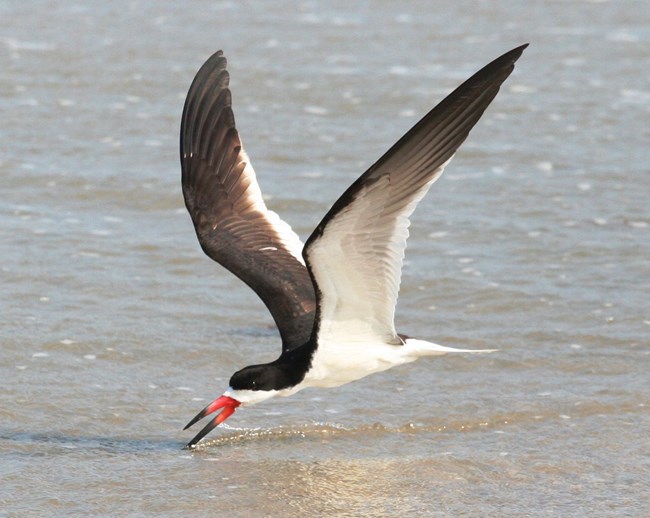
A significant Pacific Flyway stop, with a wide range of coastal and grassland habitats supporting both resident and migratory species.
Coastal Bird Watching Basics
- Early morning and dusk tend to have the most activity
- Binoculars matter more than a camera for actually spotting and identifying birds at distance
- Give nesting shorebirds real space — many coastal species nest directly on open sand and are easily disturbed
- Spring and fall migration windows are generally the highest-activity periods at flyway stopover points
Final Thoughts
A beach trip and a bird-watching trip aren't mutually exclusive — some of the country's best migratory bird habitat is the same sand most people visit purely for the water.
What makes a beach good for bird watching
Protected coastal areas, estuaries, and less-developed stretches of shoreline tend to attract more bird species than heavily trafficked recreational beaches, since less human activity generally means more undisturbed habitat.
Basic bird-watching trip tips
- Early morning is generally the most active time for bird activity
- Bring binoculars and a basic field guide or app for identification
- Respect posted nesting-area closures, which protect sensitive species during breeding season
Making the most of the trip once you're there
A little pre-trip research pays off once you're actually on the ground — checking current local conditions the morning of (weather, surf/tide reports, any posted advisories) takes a couple of minutes and often changes the plan for the better. Local visitor centers and beach patrol offices are usually the most reliable source for same-day conditions, more current than a general travel article can be for a specific date.
It's also worth building slack into the schedule rather than planning back-to-back activities — beach days have a way of running long once everyone's actually relaxed, and a rigid itinerary tends to create more stress than it saves.
How far in advance should I book for a popular beach trip?
For peak summer weekends, several weeks to a couple of months ahead is common for popular destinations — lodging and parking can fill up fast. Shoulder-season or weekday trips generally allow more last-minute flexibility.
What's the single most useful thing to check the day before?
The weather and tide forecast for the specific day — both affect what's actually possible to do, more than any other single factor.
Is travel insurance worth it for a beach trip?
For a significant non-refundable booking (lodging, flights), it's a reasonable hedge against weather cancellations or last-minute changes — a personal cost-benefit decision rather than a universal rule.
Brought to you by e-KRT — the foldable electric beach cart built for soft sand.