

Best Beaches for Beginner Surfers in the USA
The best beginner surf beach is rarely the one with the most impressive-looking waves — it's the one with the gentlest ones.
A good beginner surf spot isn't the same as a good surf spot generally — what matters most for learning is small, consistent, forgiving waves over a sandy bottom, not the biggest or most famous break.
Waikiki Beach, Hawaii

Long considered one of the classic beginner spots worldwide — gentle, slow-breaking waves and a sandy bottom, with numerous surf schools right on the beach.
Cocoa Beach, Florida
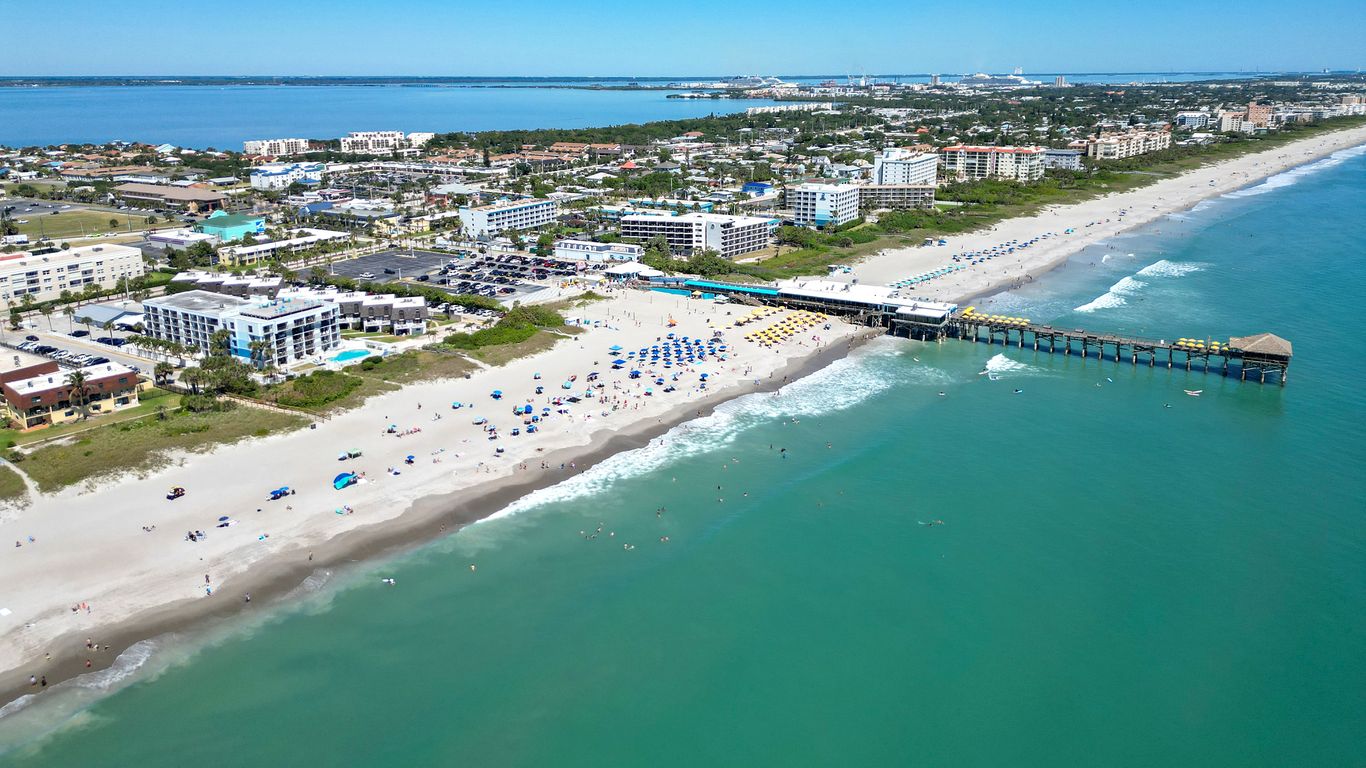
Consistent, generally small waves make this a common East Coast learning spot, with a long stretch of beach and multiple surf schools.
San Onofre State Beach, California

Known among California surfers specifically for its gentle, slow waves — a deliberate contrast to the steeper, faster breaks elsewhere on the SoCal coast.
Folly Beach, South Carolina

A soft, sandy-bottom beach break that's approachable for beginners, with a nearby town for lessons and board rentals.
Learning to Surf Basics
- A lesson with a certified instructor is worth it for the first few sessions, both for progress and for water safety
- Foam/soft-top boards are standard for beginners — they’re more forgiving and safer than hard boards
- Ocean conditions change day to day; check surf reports rather than assuming a "beginner beach" is always beginner-friendly that day
Final Thoughts
The best beginner wave is a small, slow, forgiving one — not the most photogenic. The spots on this list earned their reputation specifically because they're gentle enough to actually learn on.
What makes a beach good for beginners specifically
Smaller, slower-breaking waves, a sandy (not rocky) bottom, and fewer crowds in the lineup all matter more for beginners than wave size or a spot's reputation among experienced surfers.
Getting started safely
- Take a lesson before going out alone, even for just one session — it accelerates learning and covers basic safety
- Check for rip current warnings, which are a real risk even at beginner-friendly beaches
- Start with a soft-top (foam) board, which is safer and more forgiving than a hard board while learning
Making the most of the trip once you're there
A little pre-trip research pays off once you're actually on the ground — checking current local conditions the morning of (weather, surf/tide reports, any posted advisories) takes a couple of minutes and often changes the plan for the better. Local visitor centers and beach patrol offices are usually the most reliable source for same-day conditions, more current than a general travel article can be for a specific date.
It's also worth building slack into the schedule rather than planning back-to-back activities — beach days have a way of running long once everyone's actually relaxed, and a rigid itinerary tends to create more stress than it saves.
How far in advance should I book for a popular beach trip?
For peak summer weekends, several weeks to a couple of months ahead is common for popular destinations — lodging and parking can fill up fast. Shoulder-season or weekday trips generally allow more last-minute flexibility.
What's the single most useful thing to check the day before?
The weather and tide forecast for the specific day — both affect what's actually possible to do, more than any other single factor.
Is travel insurance worth it for a beach trip?
For a significant non-refundable booking (lodging, flights), it's a reasonable hedge against weather cancellations or last-minute changes — a personal cost-benefit decision rather than a universal rule.
Brought to you by e-KRT — the foldable electric beach cart built for soft sand.
0 comments